We are a traditional Lutheran congregation. We follow a standard 3 year series of readings, and we follow the traditional seasons of the Church Year.
Advent
Advent begins the church year and prepares us for the year to come.
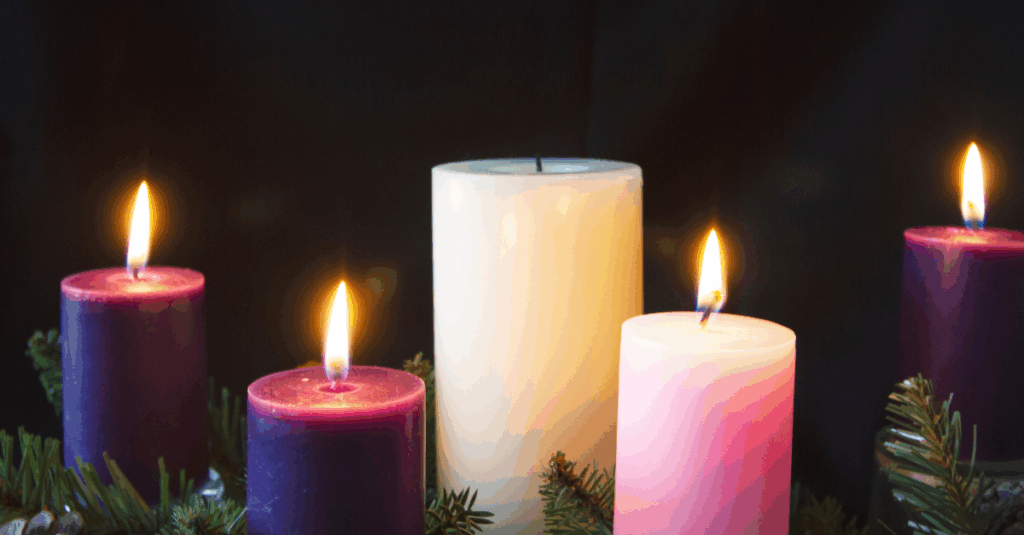
Candles for Advent are 3 purple and 1 pink.
Our paraments for Advent are blue, which symbolizes anticipation and hope in our coming King. Some churches choose to use violet as a symbol of repentance and preparation for our coming King.
Christmas
We celebrate the reason for the birth of our Savior. Jesus came to earth, lived, died, rose from death to life, and returned to heaven, all so that we might receive the promise of eternal life with Him.
The Christmas season begins on December 24, and continues for 12 days, ending on the eve of Epiphany.
The liturgical color for the 12 day Season of Christmas is white, symbolic of the divinity, eternity, purity, light and joy of the birth and life of Jesus.
Epiphany
Epiphany is always on January 6. It is one of the three celebratory Sundays that fall between Christmas and Lent. Epiphany is often called “The Christmas of the Gentiles”, as we remember the Wise men who came from a foreign country to worship at Jesus’ manger.
The second celebration is the Baptism of our Lord Sunday, celebrated on the First Sunday after Epiphany.
The season of Epiphany ends with the Transfiguration of our Lord Sunday.
The liturgical color in Epiphany is white. For the Sundays after the Epiphany, the color changes to green, symbolic of the growth of Jesus’ ministry.
LENT
Lent begins with Ash Wednesday and continues for 40 days (not including Sundays).
The central theme of the Lenten season is a purposeful turning away from our sins, and turning toward Christ for His mercy and forgiveness.
The liturgical color is violet, the color of royalty, repentance and forgiveness.
HOLY WEEK
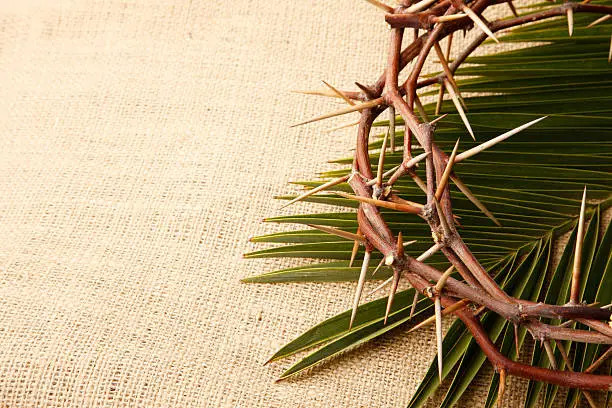
Starting on Palm Sunday, we focus on the triumphal entry of Jesus into Jerusalem. Because this day starts the week on which Jesus would die for our sins, many churches have opted to call the day “Sunday of the Passion.”
Maundy Thursday is the day Jesus instituted the Sacrament of Holy Communion for our forgiveness, strengthening of faith, and preparation for life eternal. Jesus encourages us to receive this meal often. Another tradition of Maundy Thursday is The Stripping of the Altar. This is carried out at the end of the service. The paraments, candles, and other sacred appointments are removed and kept off the Altar until Easter morning.
Good Friday (worship at 9:00 a.m.) We focus on the death of our Savior.
The liturgical color of Palm Sunday through Maundy Thursday is violet, scarlet, or purple. Good Friday is black, symbolizing the great price Jesus paid for our salvation.
EASTER
The most important day in the Church year is Easter. Our focus is on the resurrection of Jesus and His presentation of himself, alive and well.
We begin the day with worship at 7:00 a.m., followed by Easter Breakfast, a brief Sunday school lesson and an Easter Egg Hunt.
The liturgical color is gold or white. White symbolizes holiness. Gold reminds us that our resurrection life in Christ is precious and eternal.
THE SEASON OF EASTER
Just as the Lenten pre-Easter season is 40 days, so the post-Easter celebration lasts 40 days. It ends with the Ascension of our Lord into heaven.
During the Easter season we greet one another with a special greeting and response: “Alleluia! Christ is risen!” “He is risen indeed. Alleluia!”
The liturgical color remains white throughout the season of Easter.
PENTECOST
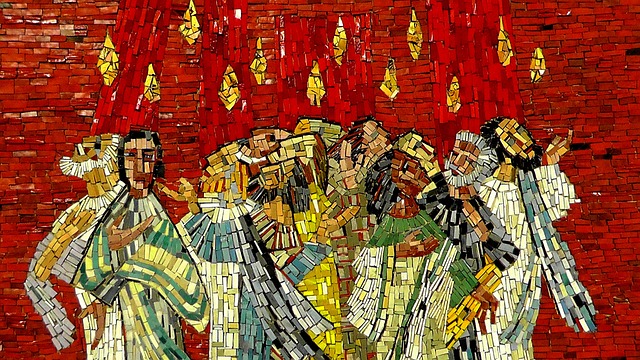
Ten days after the Ascension of our Lord (50 days after Easter), we arrive at Pentecost Sunday. Pentecost is the day when the Holy Spirit came upon the disciples with tongues of fire and the sound of loud rushing wind. The disciples began to preach and before the day was over they baptized more than 3,000 men, plus many women and children. Pentecost is often called “The Birthday of Christianity.”
The liturgical color is red.
HOLY TRINITY SUNDAY
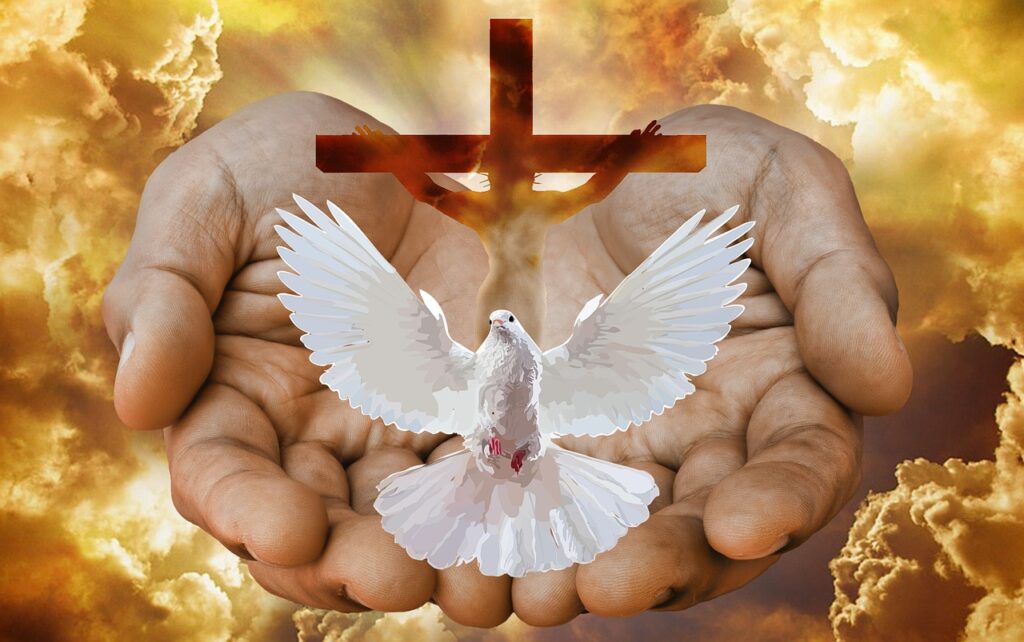
Holy Trinity, our focus is on the work of each person of the Trinity.
God the Father created and sustains the world. He sent His Son to earth to be our Savior and Redeemer.
God the Son (Jesus), is the Son of God the Father, who suffered, died, and rose again for our salvation.
God the Holy Spirit is the third person of the Trinity, God with the Father and the Son. His work is to bring us to faith, keep us in the true faith, and strengthen us toward the day of life eternal.
The liturgical color is white.
FESTIVAL AND NON-FESTIVAL SEASONS
Advent through Trinity Sunday form the Festival half of the church year. The balance of the year we call the “Non-festival half”. There are minor festivals, honoring saints, which may be observed on their appointed day.
The liturgical color is green.
REFORMATION DAY
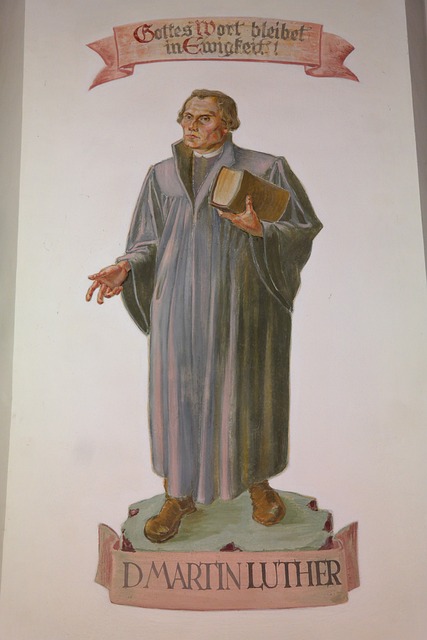
On October 31, 1517, a young German Catholic Priest, Martin Luther, posted 95 Thesis or thoughts on teachings of the Catholic Church that were not in agreement with the Bible. He wrote the Thesis in Latin so only a select group of people could read his words. However, soon his thesis were translated into German, and the Lutheran Reformation began.
We rejoice in the work Luther did through the guidance of the Holy Spirit, bringing the church back to the Bible. The Motto of the Reformation is 3 simple, Latin phrases: Sola fide (faith alone), Sola Scriptura (Scripture alone), Sola Gratia (by grace alone).
We observe Reformation on the last Sunday in October.
The liturgical color is red.
ALL SAINTS' DAY
All Saints’ Days is always November 1. We observe it on Nov 1 if that is a Sunday, or on the Sunday after Nov 1. On All Saints’ Sunday, it is our tradition to remember those members who have entered life eternal during the past 12 months.
The liturgical color is white.
OTHER "MINOR" FESTIVALS
There are a number of other lesser festivals in the church year. Generally, they are mentioned on our monthly calendar, and we may observe them in our worship, when they happen to fall on a Sunday.